
Sewer backups on low lots near the Bay and how to stop them
Homes on low-lying lots in Friendly Acres and bayside Redwood City face severe sewer backup risks during atmospheric river storms when municipal storm runoff overloads sanitary sewer mains. Installing an approved normally-open flapper backwater valve on the exterior lateral blocks surcharging city sewage from entering lowest showers and floor drains.
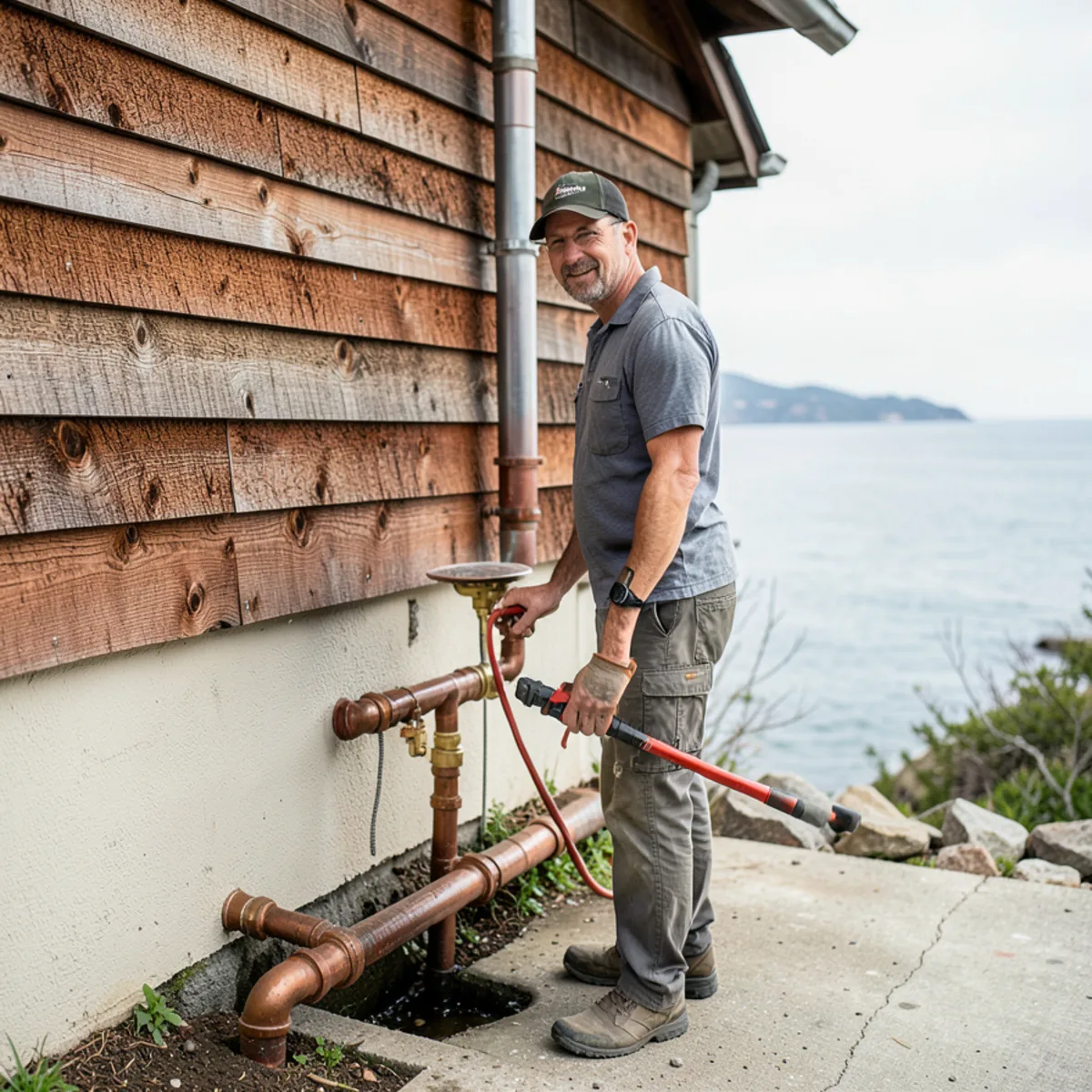
Table of Contents
- 1.The Mechanics of Sewer Backups on Low-Elevation Parcels
- 2.California Plumbing Code Section 710.1 Mandates and Legal Liability
- 3.Backwater Valve Technology: Flapper Valves vs Sewage Ejector Systems
- 4.Annual Maintenance Protocols and Flapper Inspection
- 5.Sewer Backup Prevention: Backwater Valve vs. Sewage Ejector
- 6.Frequently Asked Questions
The Mechanics of Sewer Backups on Low-Elevation Parcels
Homes situated topographically below surrounding parcels—such as properties in Redwood Shores, Friendly Acres, and creekside neighborhoods—are highly susceptible to municipal sanitary sewer backups. Gravity carries wastewater from elevated neighborhoods into central trunk lines running beneath neighborhood streets. During heavy rainfall, infiltration and inflow (I&I) from cracked street pipes and illegal storm drain connections overload the municipal sewer main. When the volume exceeds pipe capacity, wastewater backs up in the public main, pushing sewage backward through private lateral lines into homes where fixtures sit below the street manhole elevation. Properties situated along the historic marsh margins of Redwood Shores and Bayside tracts encounter saturated water tables that prevent natural stormwater drainage, magnifying the duration of municipal main surcharges.
Key Takeaways
- Wastewater from higher elevations drains into common low-lying collection mains
- Rainwater infiltration and inflow (I&I) overwhelms public sewer main capacity
- Hydrostatic pressure forces sewage backward up private residential laterals
- Fixtures with flood rims below street level act as unintended pressure relief valves
California Plumbing Code Section 710.1 Mandates and Legal Liability
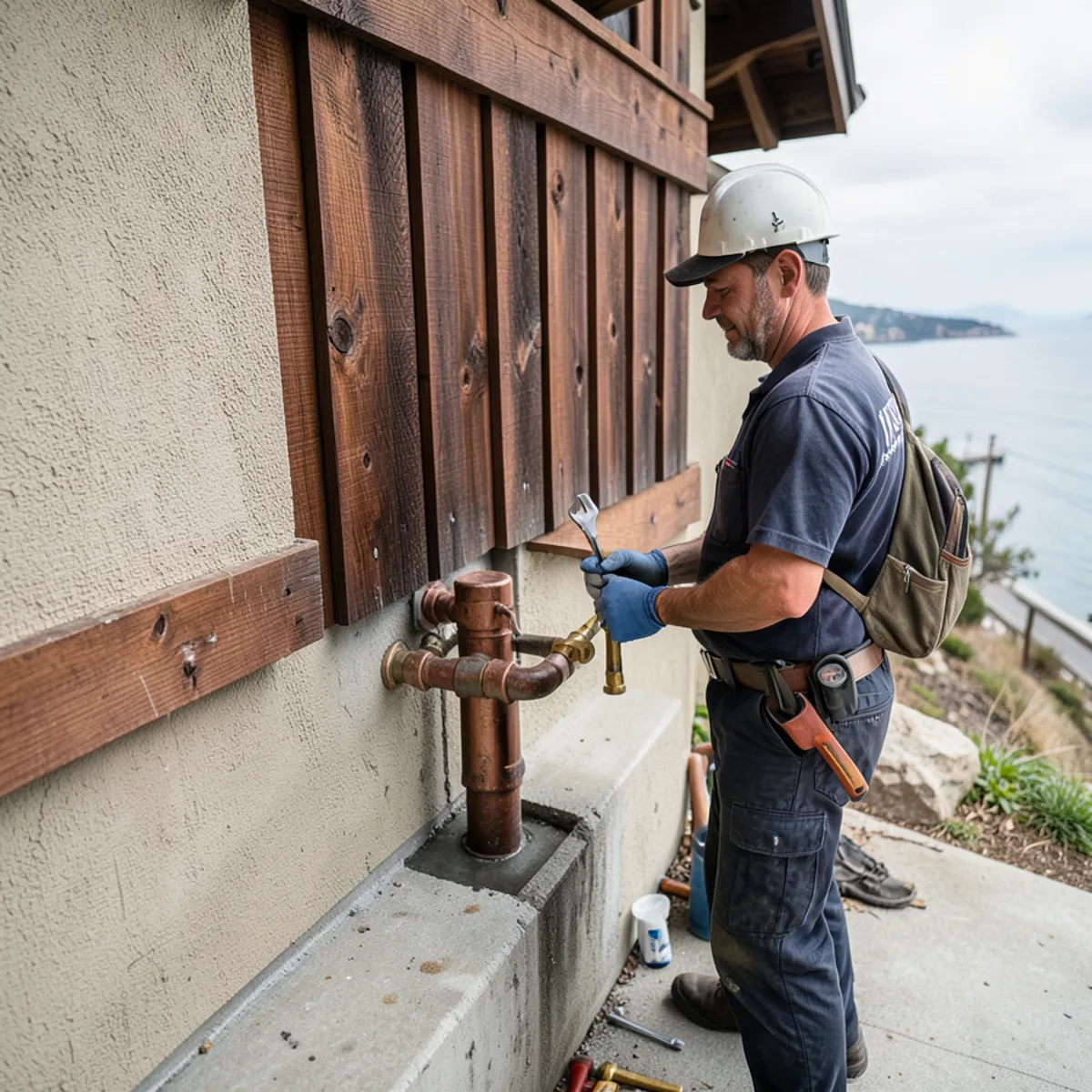
Many homeowners believe the city is automatically liable for sewer backups originating from public mains. However, under California law and municipal ordinances, cities are generally immune from backup damages if the property owner failed to install code-mandated backflow protection. California Plumbing Code (CPC) Section 710.1 explicitly states that fixtures installed on a floor level lower than the elevation of the crown of the street sewer main or upstream manhole must be protected by an approved backwater valve. If raw sewage floods a home lacking this required device, insurance adjusters frequently deny the claim, citing code non-compliance. Homeowners should note that experienced local plumbers dispatched from Valota Road carry precision diagnostic testing instruments to verify code compliance before finalizing the service scope.
Key Takeaways
- CPC Section 710.1 legally mandates backwater protection for low-elevation fixtures
- Municipalities are shielded from liability when homes lack required backwater valves
- Insurance carriers frequently deny flood claims caused by unpermitted or missing devices
- Protection applies to toilets, showers, bathtubs, and basement laundry drains
Backwater Valve Technology: Flapper Valves vs Sewage Ejector Systems
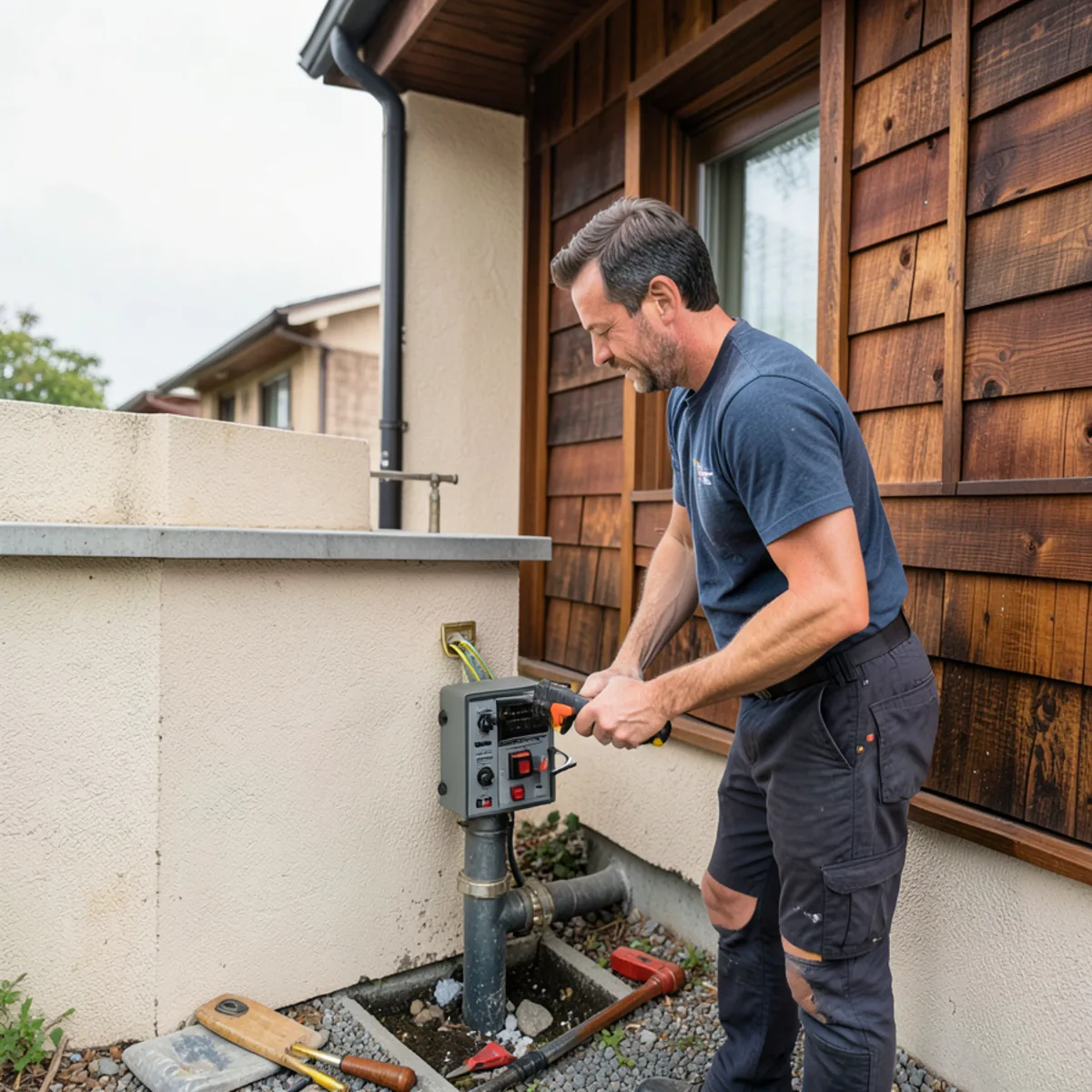
Protecting low lots requires selecting the proper mechanical barrier. The standard engineering solution is an exterior Clean Check backwater valve installed on the 4-inch lateral outside the home. This valve contains an internal weighted flapper that allows normal drainage out, but closes firmly when wastewater reverses direction. For basements or hillside walkout levels where fixtures sit far below the street main, gravity drainage may be prohibited entirely. Under CPC Section 710.2, these fixtures must drain into a sealed, gas-tight sewage ejector basin equipped with a grinder pump that elevates wastewater into the gravity house sewer. Clean Check installations carried out by our licensed team feature heavy-gauge PVC construction, stainless steel hinge pins, and precision alignment with existing lateral fall to ensure zero resistance to outbound solid waste.
Key Takeaways
- Clean Check exterior flapper valves provide passive mechanical backflow prevention
- Surface access risers enable regular flapper inspection without excavation
- Sealed sewage ejector basins collect basement waste and pump it upward to gravity sewer
- Dual-check valves and vent piping prevent sewer gas leakage inside living quarters
Annual Maintenance Protocols and Flapper Inspection
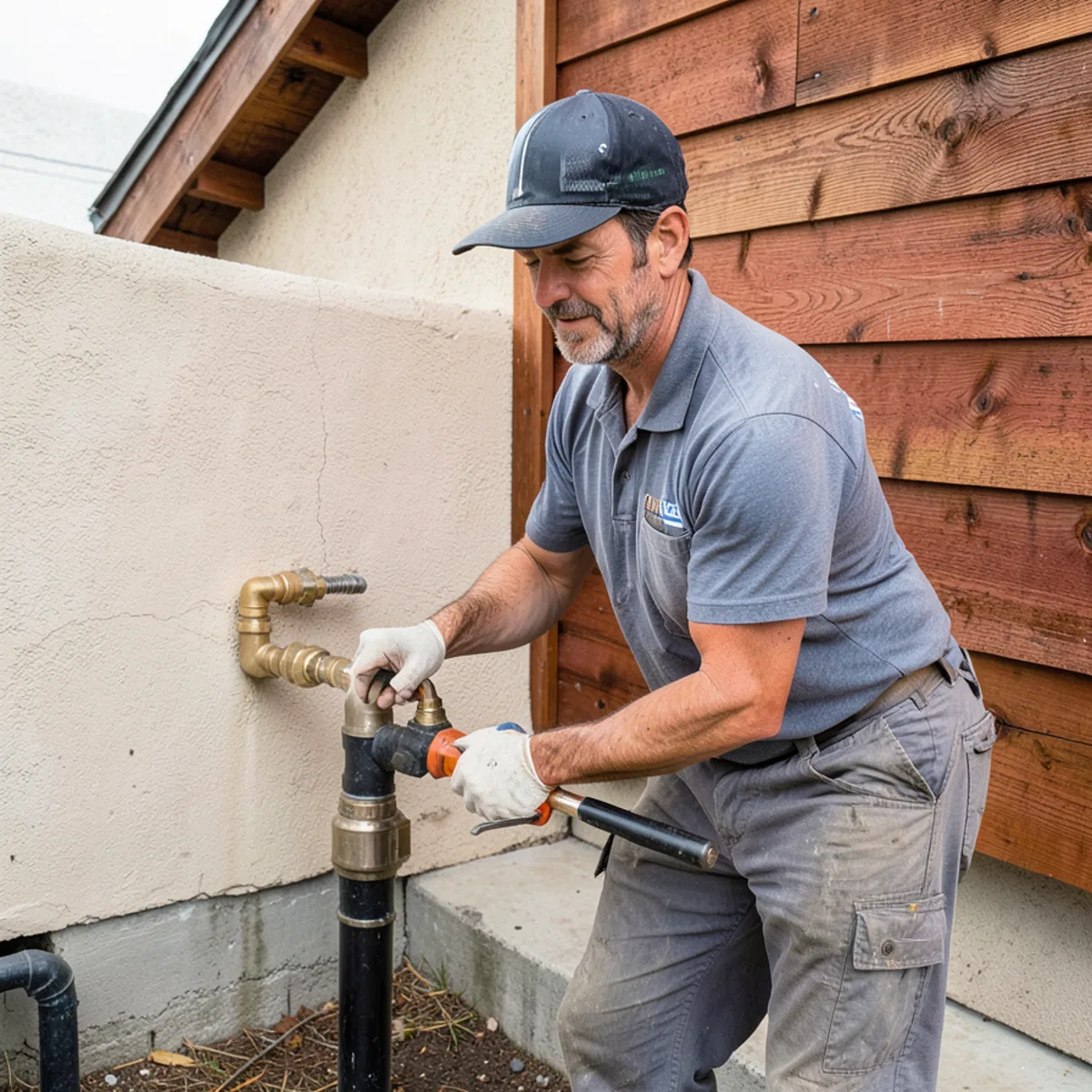
A backwater valve is a mechanical safety device that requires regular annual maintenance to guarantee performance. Over months of normal household drainage, toilet paper fibers, grease residue, and hair can collect around the valve hinge or seat. If debris prevents the flapper from seating flush, high-pressure backwater can seep past the gate during a storm surcharge. Our Redwood City technicians pull the internal flapper assembly from the ground-level riser, inspect the neoprene rubber seal for tears or hardening, clean the valve body, and test the gate swing before the start of the winter rain season. All completed installations and replacements are fully permitted and inspected in coordination with municipal building officials to guarantee long-term property protection and legal compliance under the 2025 California Plumbing Code.
Key Takeaways
- Annual inspection required to remove accumulated grease and fiber deposits
- Debris trapped under the flapper prevents complete seal during municipal surcharge
- Inspect neoprene perimeter gasket for chemical hardening or degradation
- Conduct fall maintenance in October or November prior to winter storm season
Sewer Backup Prevention: Backwater Valve vs. Sewage Ejector
| Feature | Mainline Backwater Valve | Sewage Ejector Pump System |
|---|---|---|
| Primary Function | Blocks reverse municipal surcharge | Pumps wastewater uphill to high sewer main |
| Power Requirement | 100% mechanical (zero electricity) | Requires dedicated 120V / 240V electric circuit |
| Typical Installation | Exterior yard lateral near foundation | Indoor basement or subfloor sealed basin |
| Cost & Complexity | Moderate excavation & valve install | High (continuous mechanical maintenance) |
Common Questions On This Topic
Frequently Asked Questions
Find clear answers to common questions about local plumbing codes, repairs, and our Redwood City service procedures.
Step out to the street in front of your home and locate the nearest round sanitary sewer manhole cover. If the finished floor elevation of your home—or the rim of your lowest indoor shower or bathtub—is lower in elevation than that manhole cover, your home is classified as a low lot under California Plumbing Code Section 710.1.
Regulatory References & Standards
- • California Plumbing Code Section 710.0
- • Redwood City Municipal Code Chapter 27
Related Plumbing Services
Target Service Communities
Need professional assistance with this plumbing issue?
Our technicians dispatch daily from 1835 Valota Rd. Call now to speak directly with our Redwood City team.