
Old gas boilers and radiators: repair, replace or convert?
Aging cast-iron hydronic boilers and in-slab radiant heating loops in Centennial and mid-Peninsula homes require careful water-side pressure regulation and air purging. While cast-iron boiler vessels can last 30 years, leaking zone valves, failed ASME 30 PSI relief valves, and waterlogged expansion tanks require timely replacement to avoid structural floor damage.
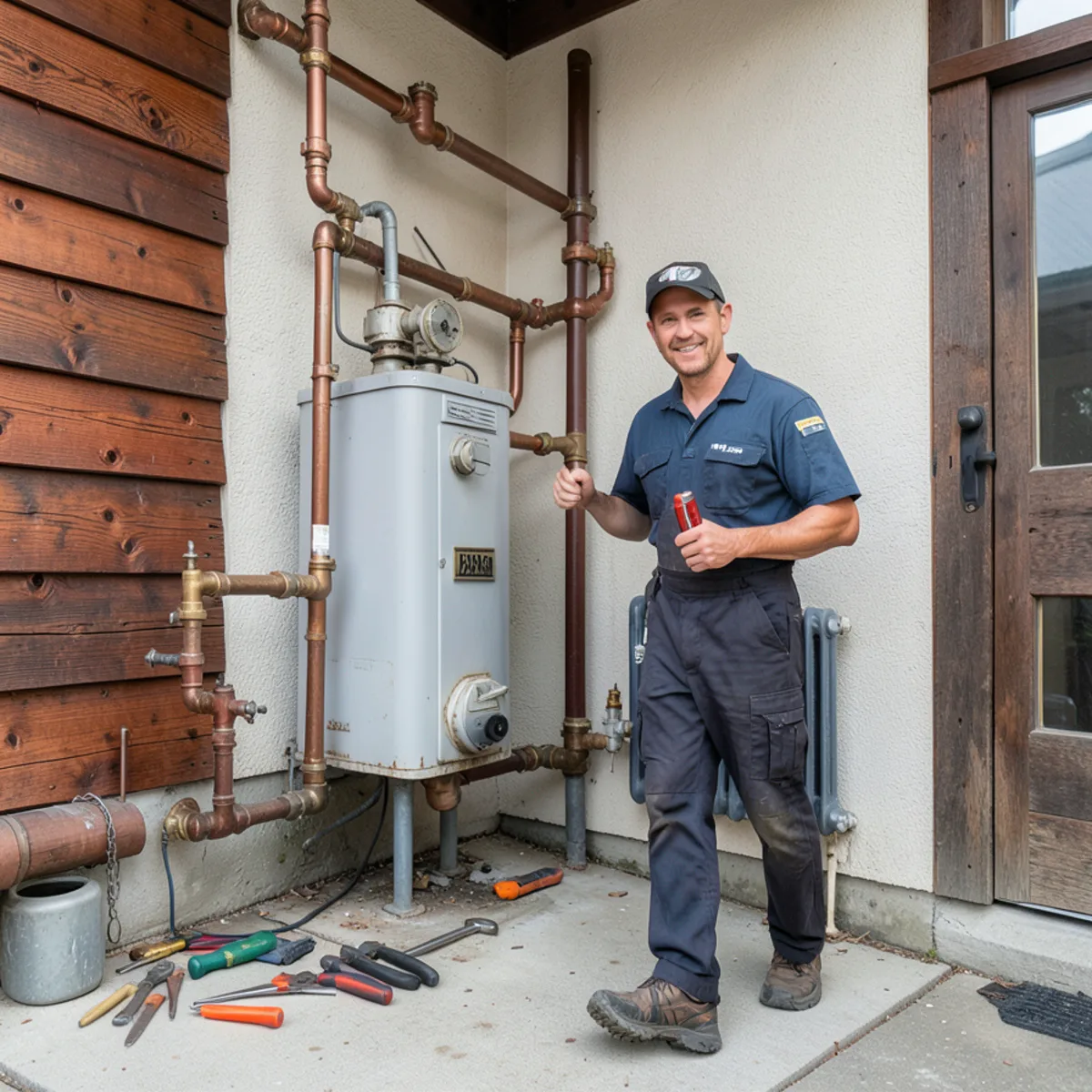
Table of Contents
- 1.Aging Cast Iron Sectional Boilers in Mid-Century and Historic Residences
- 2.Evaluating Critical Safety Hazards: Heat Exchanger Cracks and Flue Drafting
- 3.Repair Feasibility: Controls, Relief Valves and Circulator Pumps
- 4.Transitioning to Modern High-Efficiency Condensing Boilers
- 5.Hydronic Boiler Diagnostic Indicator Matrix
- 6.Frequently Asked Questions
Aging Cast Iron Sectional Boilers in Mid-Century and Historic Residences
Many of the stately historic Craftsman, Spanish Colonial, and mid-century homes throughout Redwood City, Mt. Carmel, and Atherton rely on original cast iron sectional boilers installed between 1940 and 1975. Manufactured by legendary brands such as American Standard, Crane, Bryant, and early Weil-McLain, these heavy cast iron boilers were engineered for immense structural durability. Built with thick cast iron sections joined by tapered push nipples, these systems circulate hot water or steam to vintage architectural radiators. While their longevity is impressive, boilers operating past their 30-year design life suffer internal metal fatigue, mineral scaling, and deteriorated seals. Commercial and residential property owners across San Mateo County benefit from scheduling comprehensive on-site assessments to document baseline plumbing conditions and verify manufacturer warranty parameters.
Key Takeaways
- Cast iron sectional boilers installed from the 1940s through 1970s exceed design lifespan
- Constructed with thick cast iron sections joined by internal tapered push nipples
- Circulate hot water through vintage freestanding cast iron and copper convectors
- Operating past 30 years risks metal fatigue, cracked sections, and internal seal weeping
Evaluating Critical Safety Hazards: Heat Exchanger Cracks and Flue Drafting
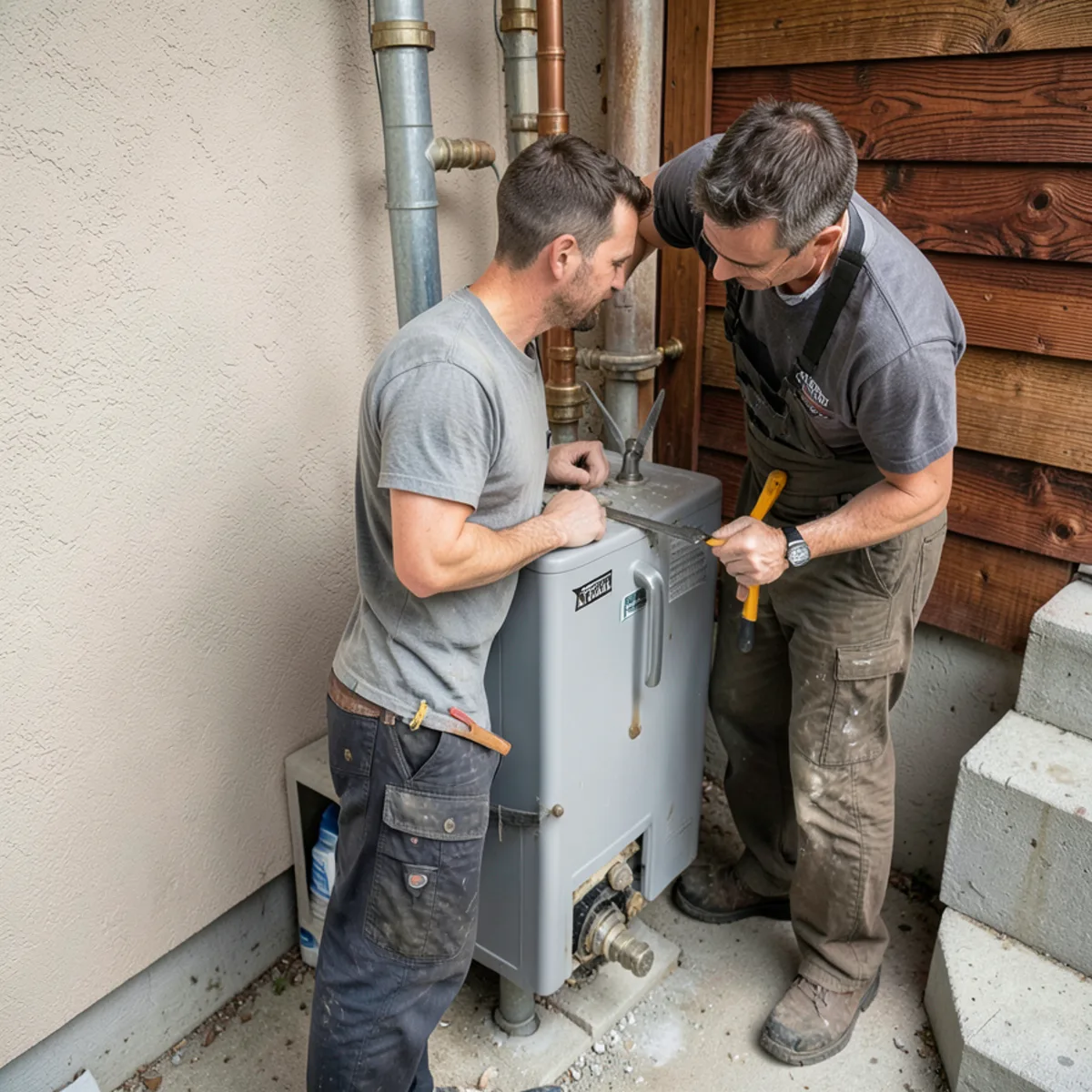
The primary concern with an aging boiler is occupant life safety. Over decades of thermal expansion and contraction, cast iron boiler sections develop hairline thermal stress fractures. If a fracture penetrates the combustion chamber, burner flames can roll out, or deadly carbon monoxide can escape directly into living areas rather than venting through the chimney. Furthermore, older atmospheric draft hoods rely on natural chimney buoyancy; if masonry chimneys develop cracked clay tile liners or mortar blockages, combustion gases spill back into basements and mechanical closets, creating severe carbon monoxide poisoning risks. Homeowners and property managers across Redwood City and neighboring communities can schedule on-site evaluations with our licensed team to inspect existing manifolds, test static line pressures, and verify code compliance under local municipal ordinances.
Key Takeaways
- Hairline thermal fractures in cast iron sections leak deadly carbon monoxide gas
- Burner flame rollout risks from deteriorated combustion chamber refractory linings
- Atmospheric draft hoods can backdraft combustion gases if chimneys are restricted
- Installation of electronic low-water cutoffs and carbon monoxide alarms is mandatory
Repair Feasibility: Controls, Relief Valves and Circulator Pumps
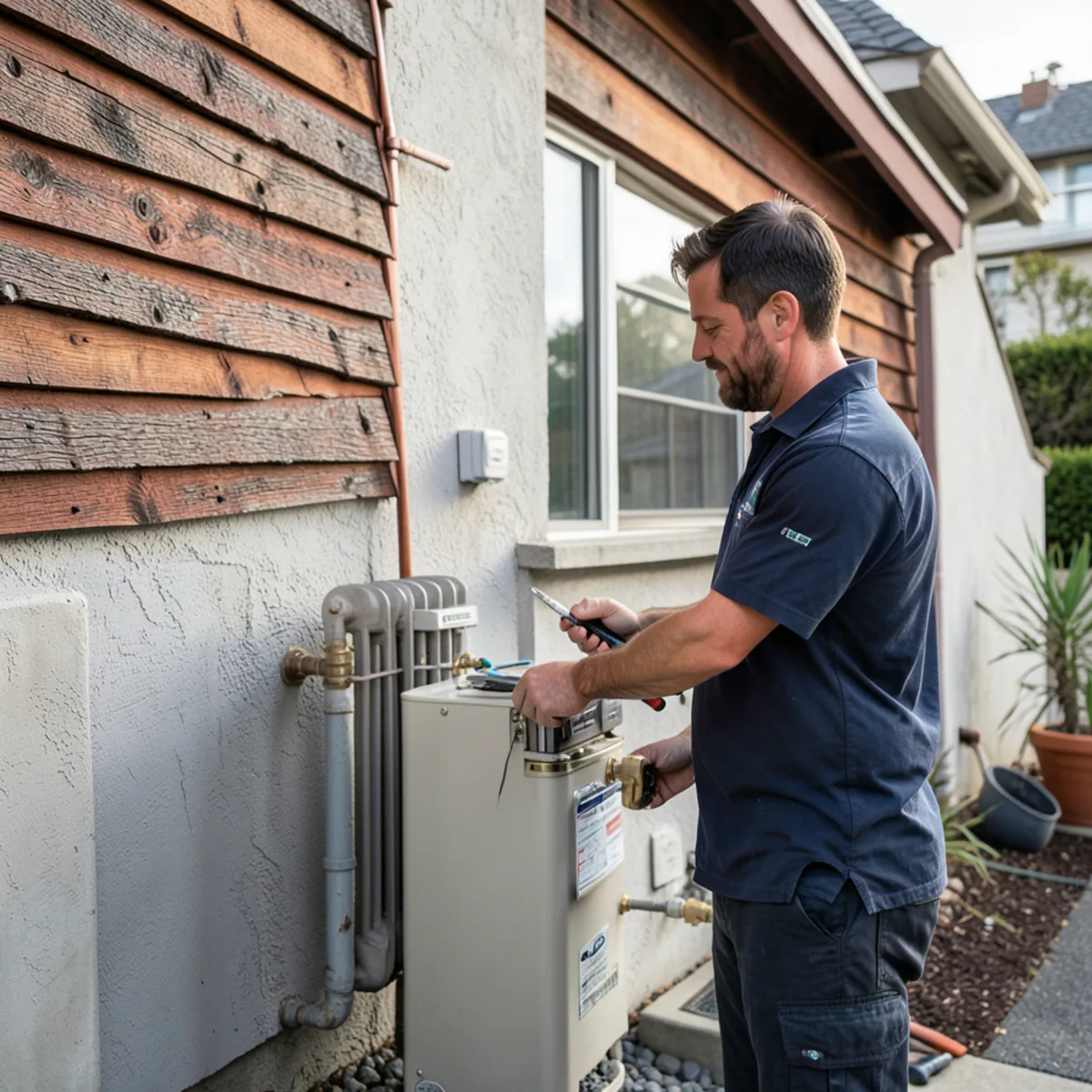
When evaluating whether to repair an older boiler, plumbers inspect three mechanical subsystems. If the cast iron block is structurally sound without water leaks, replacing external components—such as updating an obsolete Honeywell aquastat relay, replacing a dripping ASME 30 PSI pressure relief valve, or installing a high-efficiency Taco or Grundfos ECM circulator pump—is often economically feasible. However, if the cast iron heat exchanger itself is leaking between sections, replacement push nipples and obsolete gaskets are rarely available, making full boiler replacement the only viable, code-compliant option. Our licensed plumbing specialists dispatched from 1835 Valota Road utilize precision diagnostic instruments and follow all California Plumbing Code guidelines to deliver durable, code-compliant solutions.
Key Takeaways
- External aquastats, thermocouples, and electronic gas valves are readily replaceable
- Upgrading older high-draw circulator pumps to variable-speed ECM pumps saves electricity
- Leaking cast iron sections or failed push nipples cannot be safely patched
- Operating efficiency on original boilers averages only 60 to 68 percent AFUE
Transitioning to Modern High-Efficiency Condensing Boilers
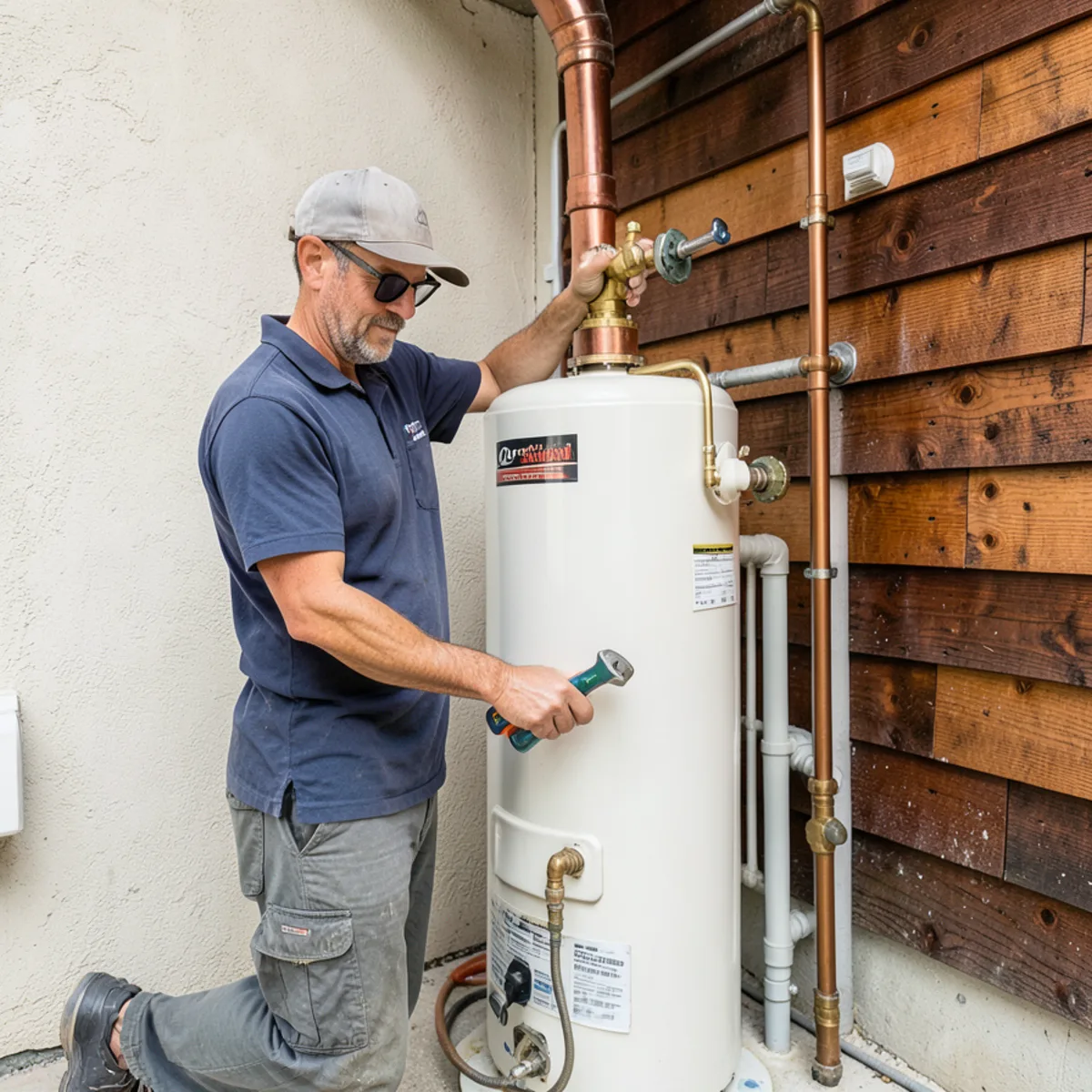
Replacing a vintage boiler with a modern modulating condensing boiler (such as Lochinvar, Navien, or Viessmann) delivers dramatic comfort and efficiency improvements. Modern condensing units achieve 95% Annual Fuel Utilization Efficiency (AFUE)—compared to 65% for vintage boilers—slashing monthly natural gas bills by up to 30 percent. Advanced modulating burners automatically adjust firing rates down to 10% of maximum output to match mild California weather. Furthermore, outdoor reset temperature sensors modulate supply water temperatures automatically, delivering steady indoor comfort while utilizing modern Category IV polypropylene venting through sidewalls. Every major plumbing repair, repipe, and heating modification performed by our technicians is backed by our comprehensive warranty and coordinated directly with the Redwood City Building Division at 1017 Middlefield Road or local county planning offices.
Key Takeaways
- Modern modulating condensing boilers achieve up to 95% AFUE fuel efficiency
- Advanced modulating burners throttle firing rate to match mild Peninsula temperatures
- Outdoor reset sensors automatically optimize water temperature for maximum comfort
- Compact wall-mounted designs free up substantial basement or utility room floor space
Hydronic Boiler Diagnostic Indicator Matrix
| Symptom | Root Mechanical Cause | Risk Level | Plumbing Solution |
|---|---|---|---|
| Water dripping from 30 PSI valve | Waterlogged expansion tank or faulty feed valve | High | Recharge/replace expansion tank; rebuild PRV fill |
| Banging or clunking in pipes | Trapped air pockets or low system water pressure | Moderate | Purge hydronic loops; service Spirovent air scoop |
| Cold radiant floor in single room | Stuck Honeywell zone valve or seized circulator | Moderate | Replace 24V zone valve actuator or Taco pump |
| Heavy rust inside combustion chamber | Condensation from low return water temp (<130°F) | Severe | Replace cracked boiler section or complete boiler |
Common Questions On This Topic
Frequently Asked Questions
Find clear answers to common questions about local plumbing codes, repairs, and our Redwood City service procedures.
Warning signs include yellow or flickering burner flames (instead of crisp blue), soot marks around the boiler jacket or draft hood, chronic headaches or nausea among occupants, rust weeping between cast iron sections, or the emergency 30 PSI pressure relief valve frequently blowing off water.
Regulatory References & Standards
- • California Mechanical Code Chapter 10
- • ASME Boiler and Pressure Vessel Code Section IV
Related Plumbing Services
Target Service Communities
Need professional assistance with this plumbing issue?
Our technicians dispatch daily from 1835 Valota Rd. Call now to speak directly with our Redwood City team.