
No hot water: first checks for tank and tankless heaters
A sudden complete loss of hot water stems from distinct mechanisms in tank versus tankless systems: tanks typically suffer pilot outages, tripped high-limit switches, or failed heating elements, while tankless units shut down from electronic error lockouts, clogged inlet flow filters, or inadequate gas pressure. Checking circuit breakers and examining the diagnostic display identifies the failure within five minutes.
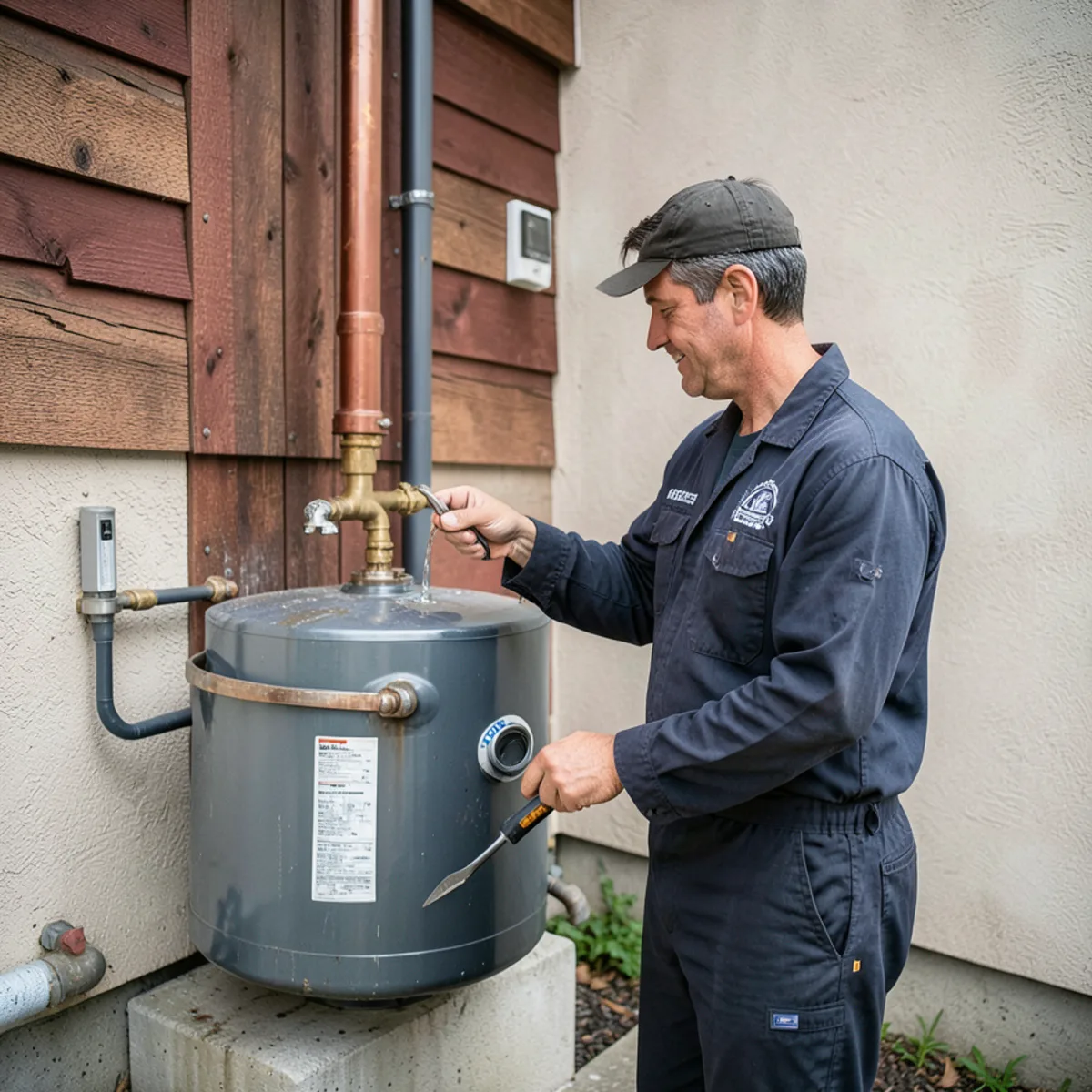
Table of Contents
- 1.Preliminary Triage: Fuel Supply, Pilot Assemblies and Electrical Controls
- 2.Storage Tank Diagnostics: Thermocouple, Dip Tube and Element Failure
- 3.Tankless Diagnostics: Minimum Flow Activation and Heat Exchanger Scale
- 4.When to Engage a Licensed C-36 Technician for System Restoration
- 5.No Hot Water Diagnostic Triage Protocol
- 6.Frequently Asked Questions
Preliminary Triage: Fuel Supply, Pilot Assemblies and Electrical Controls
Experiencing an abrupt loss of hot water requires systematic elimination of fuel, ignition, and power delivery issues. First, inspect adjacent natural gas appliances, such as a gas range or furnace, to confirm the main gas meter valve is open and pressurized. On traditional standing pilot water heaters, peer through the bottom observation viewport; if the small blue flame is extinguished, relight it following the manufacturer lighting instructions printed on the jacket. On electronic ignition models and modern tankless units, verify the 120V electrical outlet is active and that the ground-fault circuit interrupter (GFCI) has not tripped. Without consistent electrical input, modern microprocessor boards and electronic hot-surface igniters cannot initiate the combustion cycle.
Key Takeaways
- Test gas range or furnace to confirm active residential gas service
- Inspect viewport glass on standing pilot units for pilot flame presence
- Reset tripped 120V GFCI electrical outlets powering electronic ignition models
- Verify digital display codes on tankless controller panels
Storage Tank Diagnostics: Thermocouple, Dip Tube and Element Failure
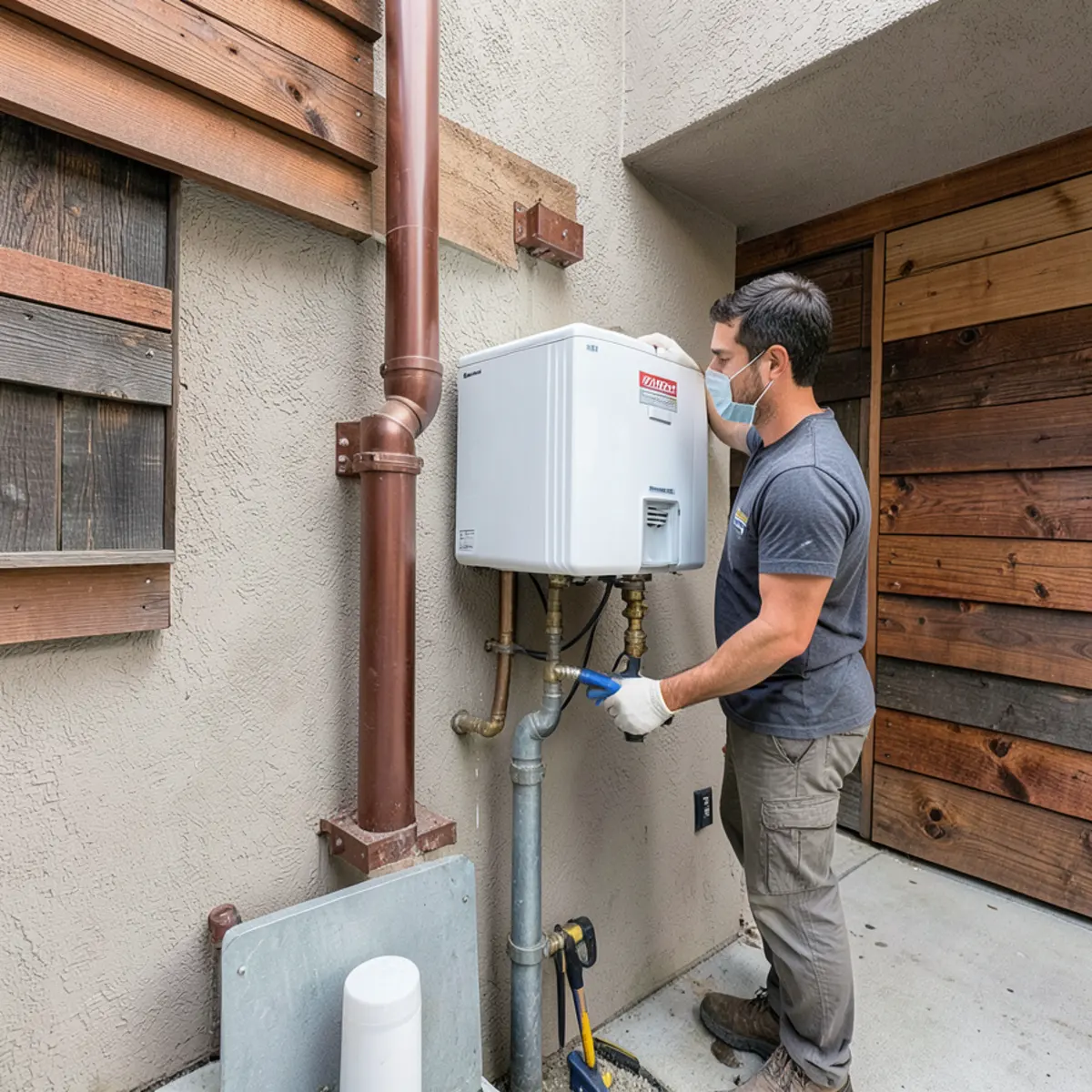
When a conventional storage water heater fails to generate hot water despite active gas supply, the failure commonly traces to three mechanical components. On gas water heaters, a degraded thermocouple or thermopile will fail to register the pilot flame heat (producing less than the required 25 to 30 millivolts), causing the safety magnet in the gas control valve to shut off the gas supply. Second, aging polypropylene dip tubes can fracture, discharging incoming cold water directly across the top hot outlet nipple rather than routing it to the tank base for heating. In electric storage water heaters, burned-out upper or lower copper immersion elements—frequently caused by sediment buildup or dry firing—require testing with a digital multimeter for electrical resistance (10 to 16 ohms) and continuity.
Key Takeaways
- Thermocouple millivolt output drop shuts down gas safety solenoid
- Fractured cold water dip tube causes immediate lukewarm water delivery
- Electric immersion element burnout verified with digital multimeter
- Upper and lower thermostat calibration checks on dual-element electric tanks
Tankless Diagnostics: Minimum Flow Activation and Heat Exchanger Scale
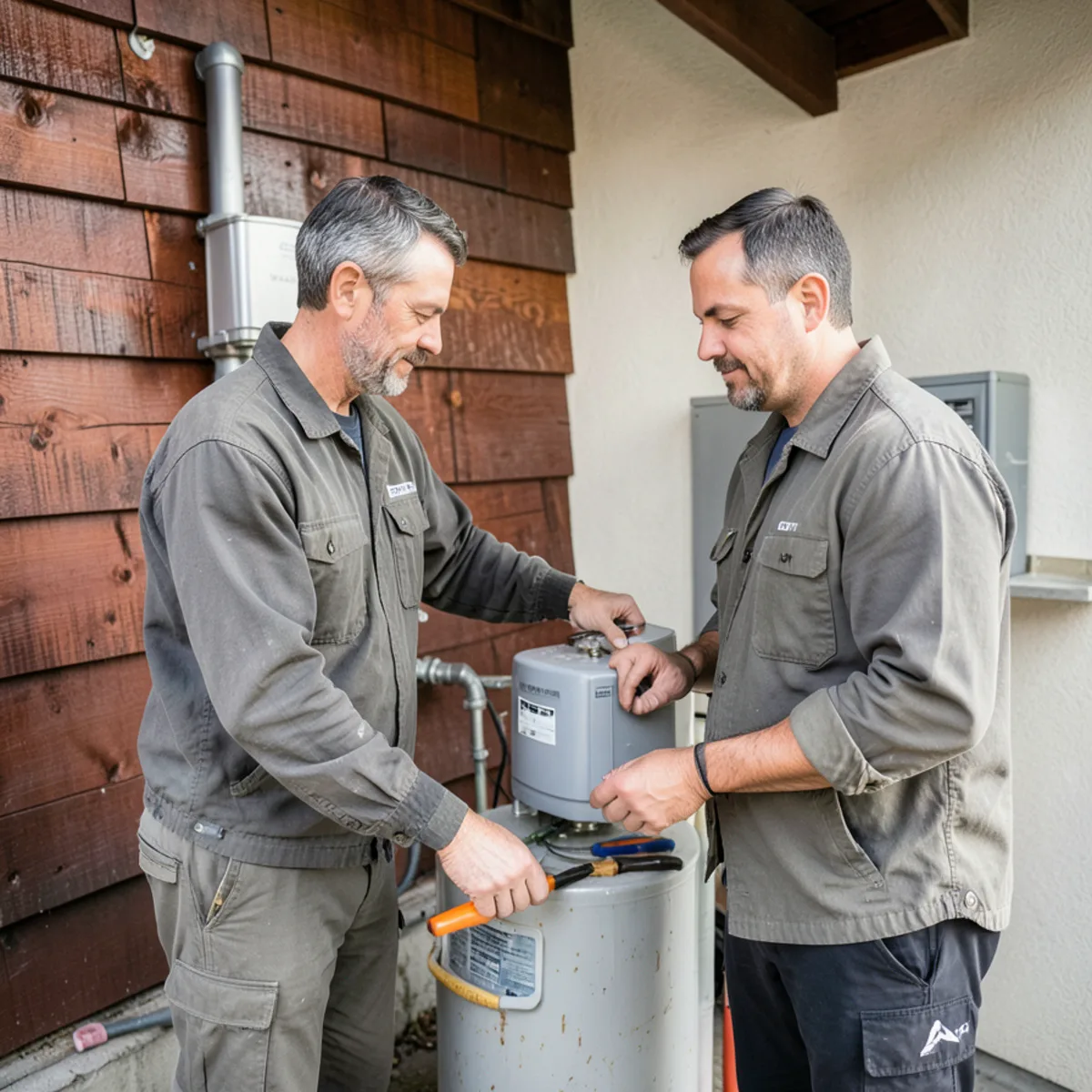
Tankless water heaters function on continuous flow demand rather than pre-stored volume. The unit will not ignite unless its internal flow turbine detects a water draw exceeding the activation threshold, typically 0.4 to 0.5 gallons per minute (GPM). If aerators on low-flow bathroom sink faucets or showerheads become clogged with fine mineral debris, water flow drops below this ignition threshold, preventing the burner from firing. Furthermore, while Redwood City municipal water from the Hetch Hetchy system is naturally soft (15 to 30 ppm hardness), properties in Woodside and Emerald Lake Hills on well blends experience calcium carbonate scaling across compact primary and secondary copper heat exchangers. This mineral blanket insulates water from burner heat and triggers high-limit thermal safety cutoffs.
Key Takeaways
- Flow turbine requires 0.4 to 0.5 GPM minimum draw to signal control board
- Clogged fixture aerators drop flow below activation threshold
- Calcium carbonate scaling insulates heat exchanger tubes from burner heat
- Inlet cold water filter screen inspection removes suspended line sediment
When to Engage a Licensed C-36 Technician for System Restoration
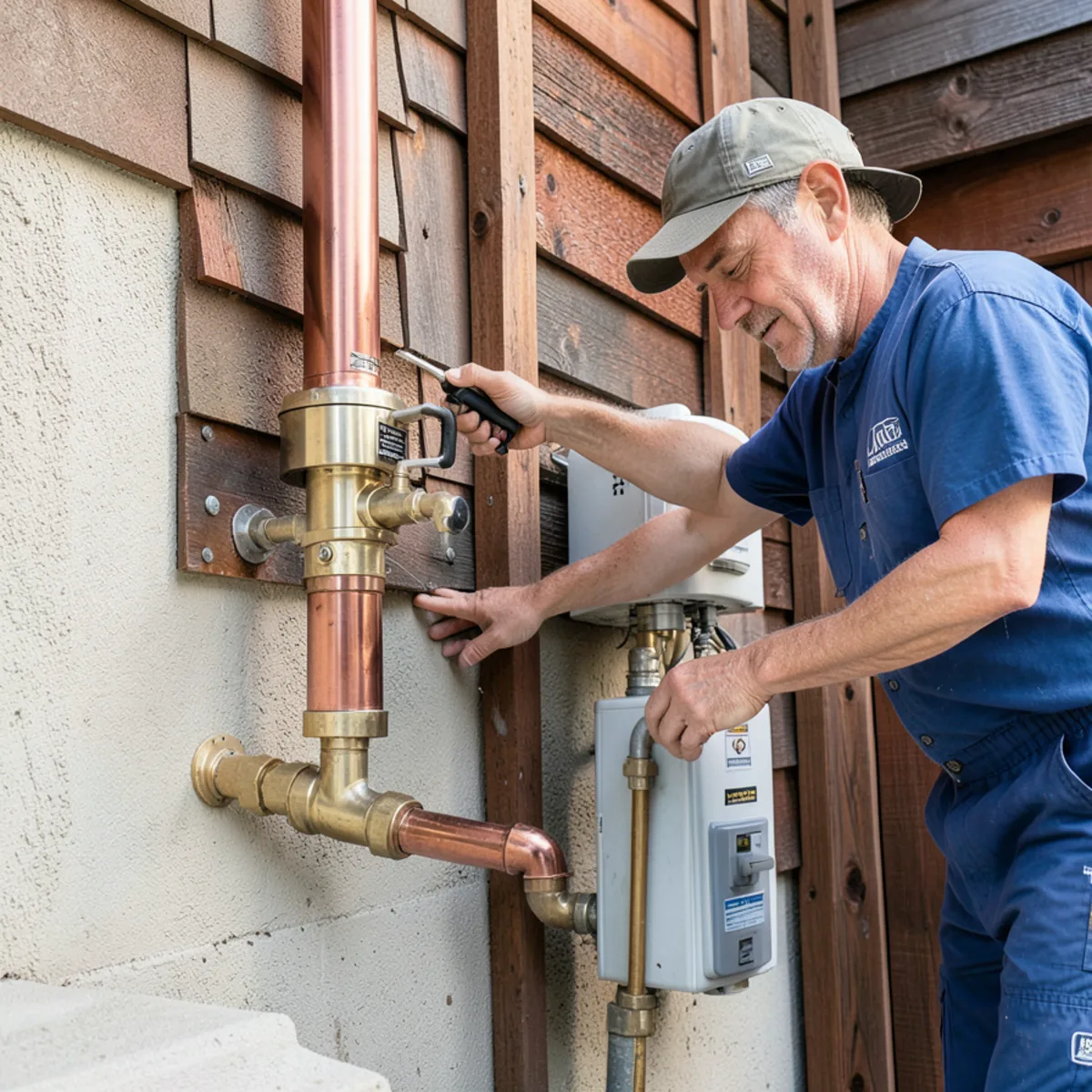
Certain hot water failures indicate complex electrical or combustion risks that demand professional repair. If a gas water heater displays recurring pilot outages accompanied by soot around the burner door, the flame arrestor screen is choked or the flue draft is restricted, generating hazardous carbon monoxide risks. For tankless systems, persistent ignition error codes (such as Rinnai Code 11 or Navien E003) signal gas manifold pressure anomalies, failing venturi assemblies, or blocked intake venting. Under California Plumbing Code Chapter 5, diagnostic repairs on gas valves, sealed combustion chambers, and high-voltage heat pump compressors must be conducted by licensed C-36 contractors to preserve manufacturer warranties and maintain home safety.
Key Takeaways
- Combustion soot and yellow pilot flames indicate dangerous flue drafting faults
- Persistent error codes require digital manometer gas pressure diagnostics
- Sealed chamber repairs must comply with California Plumbing Code Chapter 5
- Professional diagnostics protect manufacturer warranties and prevent gas leaks
No Hot Water Diagnostic Triage Protocol
| Water Heater Type | First Check | Second Check | Immediate Fix |
|---|---|---|---|
| Atmospheric Gas Tank | Pilot flame status in window | Gas shutoff valve handle position | Relight pilot per tank instructions |
| Electric Storage Tank | 240V breaker in service panel | Upper thermostat red reset button | Reset breaker; replace lower heating element |
| Gas Condensing Tankless | Front digital LED error code | Clean cold water inlet filter screen | Clear vent blockage; descale heat exchanger |
| Electric Tankless | Dual/triple 240V circuit breakers | Minimum activation water flow rate | Check aerators; reset internal breaker switches |
Common Questions On This Topic
Frequently Asked Questions
Find clear answers to common questions about local plumbing codes, repairs, and our Redwood City service procedures.
In storage tank water heaters, lukewarm water typically points to a broken internal dip tube that allows incoming cold water to mix directly with hot water at the top of the tank, or a failed lower electric heating element. In tankless water heaters, lukewarm water is commonly caused by a cross-connection in a single-handle mixing shower cartridge or mineral scaling on the heat exchanger.
Regulatory References & Standards
- • California Plumbing Code Chapter 5
- • National Fuel Gas Code NFPA 54
Need professional assistance with this plumbing issue?
Our technicians dispatch daily from 1835 Valota Rd. Call now to speak directly with our Redwood City team.