
Brown water and low pressure: signs of failing galvanized pipe
Aging galvanized iron pipes installed prior to 1965 corrode from the inside out, restricting domestic water volume and leaching rust flakes into household tap water. Yellow-tinted water when first opening morning taps, dramatic pressure drops when a toilet flushes while showering, and external powdery rust on pipe threads indicate whole-house repiping is necessary.
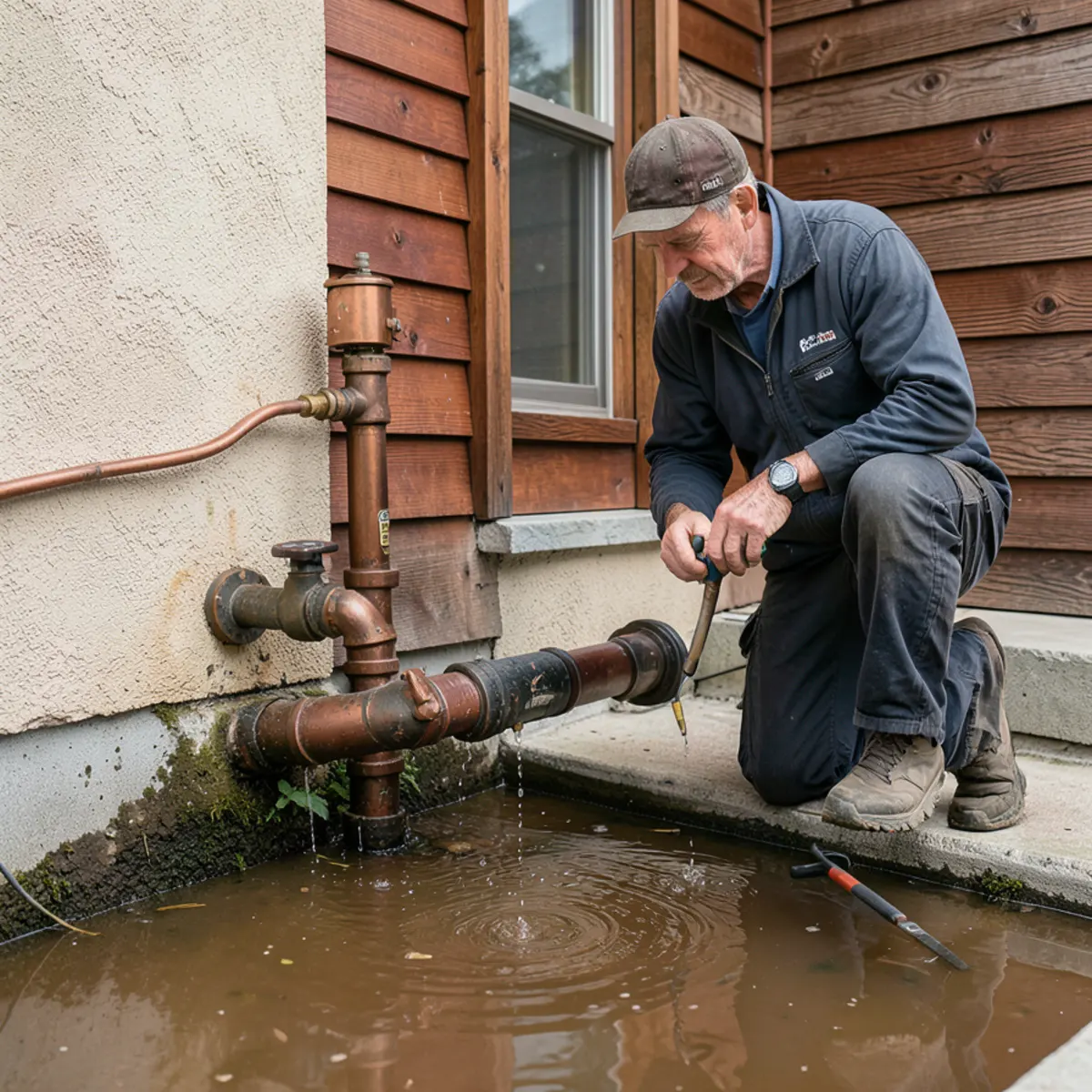
Table of Contents
- 1.The Mechanics of Galvanized Steel Decay: Internal Rust and Tuberculation
- 2.Primary Warning Signs: Discolored Rust Water and Volume Drop
- 3.Thread Vulnerability and Catastrophic Joint Failures
- 4.Modern Replacement Standards: Uponor PEX-a and Type L Copper Repiping
- 5.Galvanized Iron vs. Modern PEX-A Water Distribution
- 6.Frequently Asked Questions
The Mechanics of Galvanized Steel Decay: Internal Rust and Tuberculation
Galvanized iron piping was the industry standard for residential water distribution across the San Francisco Peninsula from the 1920s through the late 1960s. These pipes were manufactured by dipping carbon steel into molten zinc to form a protective barrier against oxidation. Over 40 to 70 years of continuous service, the zinc coating dissolves, exposing raw steel to oxygenated water. As the steel rusts, iron oxide crystals expand to many times the volume of the original metal, forming thick mineral crusts known as tuberculation. This internal corrosion restricts pipe diameter from the inside out, choking water volume while leaving the exterior appearance deceptively intact. In addition, internal rust flakes break free during sudden pressure fluctuations, lodging in delicate faucet cartridges, washing machine solenoids, and toilet fill valves, causing recurring fixture clogs throughout the home.
Key Takeaways
- Zinc protective coating dissolves over 40 to 60 years of water contact
- Internal steel oxidation expands, forming thick tuberculation and rust nodules
- Internal diameter chokes from 3/4-inch down to the diameter of a pencil
- Exterior pipe inspection often conceals severe internal channel constriction
Primary Warning Signs: Discolored Rust Water and Volume Drop
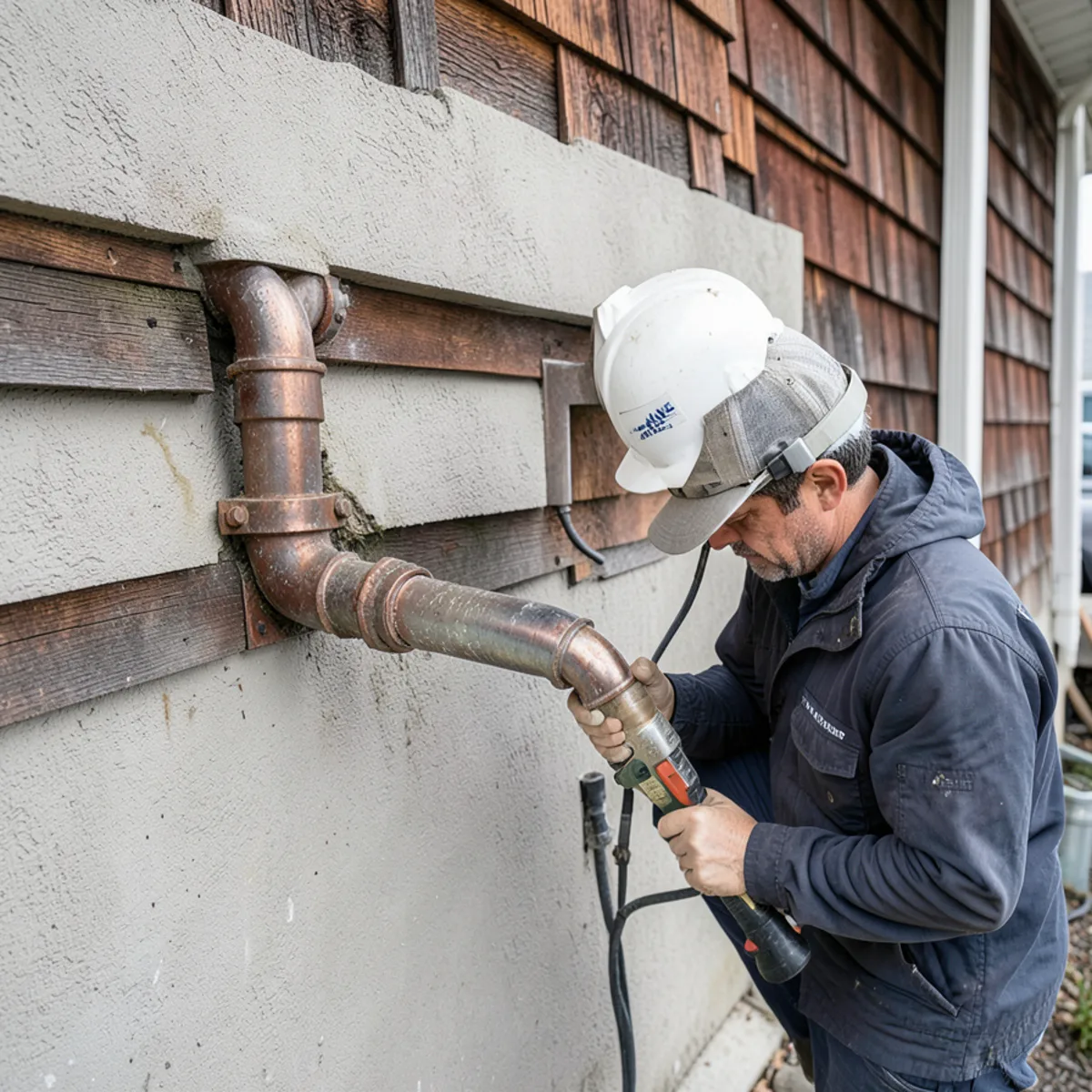
Homeowners in historic Redwood City neighborhoods (such as Stambaugh-Heller, Mt. Carmel, and North Fair Oaks) frequently notice failing galvanized pipes through two classic symptoms: discolored morning water and dramatic multi-fixture pressure drops. When taps remain closed overnight, standing water reacts with raw iron inside the pipes, producing yellowish-brown rust water when faucets are first opened in the morning. Furthermore, because internal tuberculation chokes water volume, turning on a second fixture—such as flushing a toilet while showering—causes shower water pressure to drop to a trickle, even though static street pressure remains high. Professional water testing conducted on aging galvanized lines in Redwood City frequently reveals dissolved iron concentrations exceeding aesthetic drinking water standards, imparting a distinct metallic odor to bathwater. Homeowners should note that experienced local plumbers dispatched from Valota Road carry precision diagnostic testing instruments to verify code compliance before finalizing the service scope.
Key Takeaways
- Yellowish-brown or reddish water discharging from taps after overnight stagnation
- Severe volume drop when running two fixtures simultaneously (shower and garden hose)
- Metallic or iron taste in drinking water and rust stains on porcelain sinks
- Static water pressure tests high while dynamic flow drops dramatically
Thread Vulnerability and Catastrophic Joint Failures
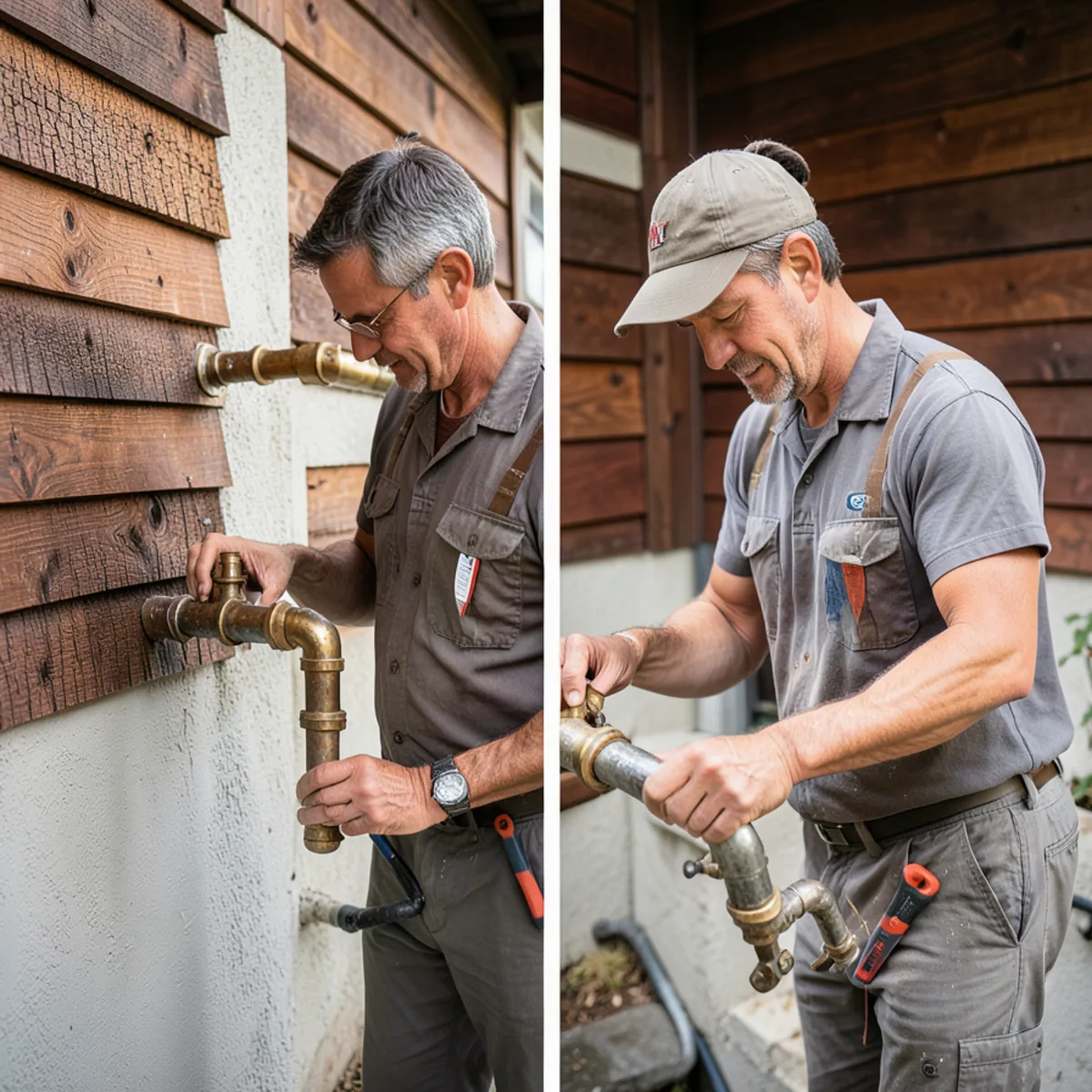
The greatest structural risk in galvanized piping systems occurs at threaded joints. Threading cuts into the pipe wall, reducing metal thickness by up to 50 percent at every elbow, tee, and coupling. Because internal rust attacks these thinned cross-sections first, pipe threads become brittle paper-thin shells. Minor structural settling, seismic tremors, or water hammer pressure shocks can shear the threaded connection completely, resulting in continuous high-pressure flooding inside crawl spaces, attics, or behind bathroom walls. Plumbers frequently discover that attempting to unscrew an old galvanized fitting causes the pipe to crumble in their hands.
Key Takeaways
- Pipe wall thickness is reduced by half where male threads are cut into fittings
- Galvanic reactions accelerate corrosion between threaded iron and brass valves
- Seismic vibrations and water hammer easily shear brittle, rusted pipe threads
- Thread fractures cause catastrophic continuous pressurized flooding in walls
Modern Replacement Standards: Uponor PEX-a and Type L Copper Repiping
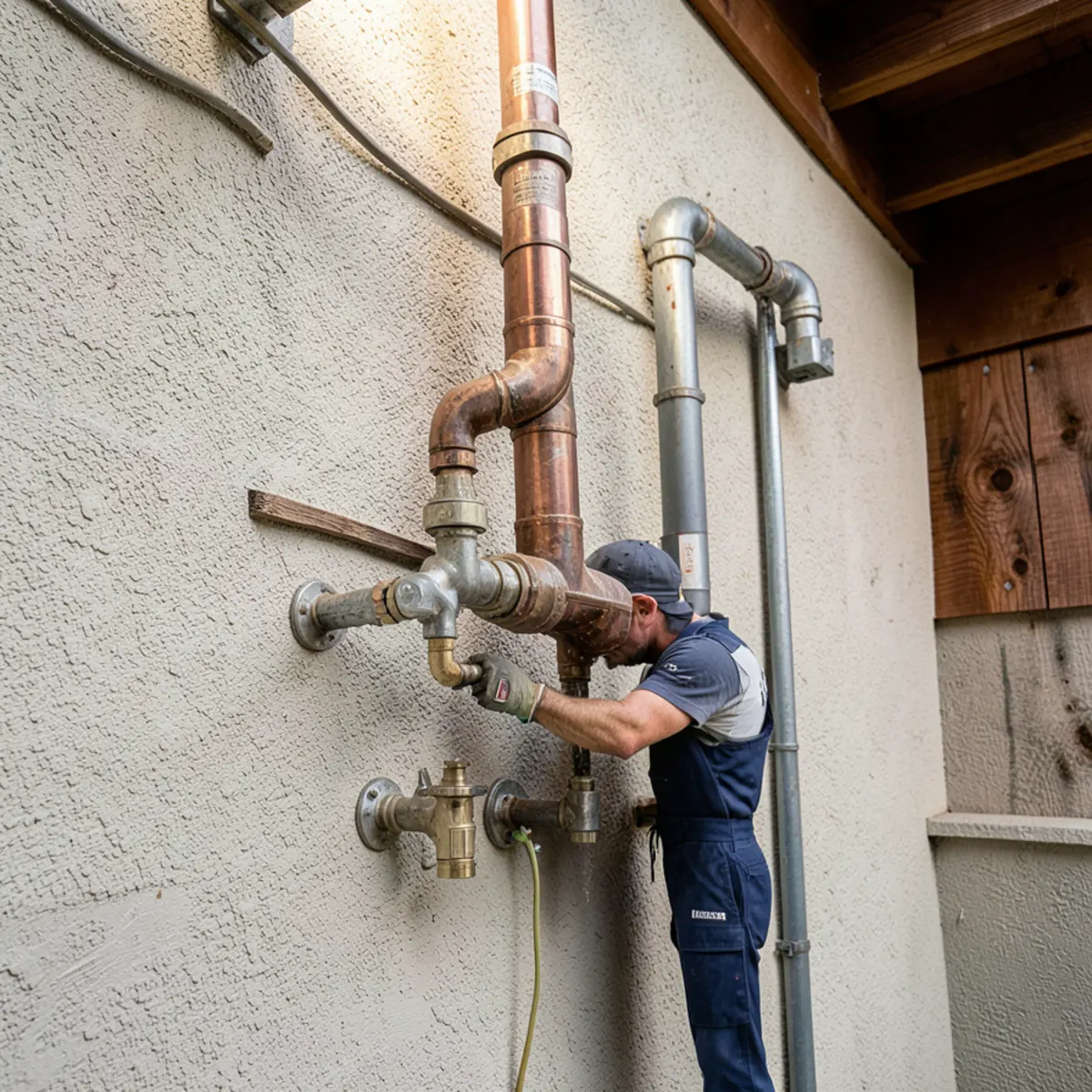
Spot-repairing a failing galvanized water system is a temporary and risky measure, as inserting a new copper pipe creates a dielectric cell that accelerates corrosion on adjacent steel. Under California Plumbing Code Chapter 6, whole-house repiping utilizing Uponor ASTM F1960 PEX-a expansion piping or Type L copper tubing is the permanent engineering solution. PEX-a is highly flexible, allowing continuous runs through floor joists and wall cavities with minimal drywall cuts. It is completely immune to rust, scale buildup, and acidic water attack, restoring full 60 PSI fixture volume and qualifying homes for homeowner insurance discounts. All completed installations and replacements are fully permitted and inspected in coordination with municipal building officials to guarantee long-term property protection and legal compliance under the 2025 California Plumbing Code.
Key Takeaways
- Spot repairs create destructive dielectric corrosion cells between old steel and new copper
- Uponor PEX-a expansion piping provides continuous, joint-free runs through wall framing
- Type L rigid copper provides exceptional durability and zero chemical leaching
- Whole-home repiping restores factory water pressure and satisfies insurance underwriters
Galvanized Iron vs. Modern PEX-A Water Distribution
| Performance Factor | Aging Galvanized Iron | Uponor PEX-A Expansion |
|---|---|---|
| Internal Water Flow | Choked by heavy rust tubercles | Full unobstructed smooth bore |
| Expected Lifespan | 40 to 60 years (already exceeded) | 50+ years (non-reactive polymer) |
| Water Clarity & Taste | Metallic taste; yellow iron tint | Crystal clear, zero mineral leaching |
| Seismic Ground Shaking | Rigid; fractures at brittle threads | Flexible; bends without bursting |
Common Questions On This Topic
Frequently Asked Questions
Find clear answers to common questions about local plumbing codes, repairs, and our Redwood City service procedures.
Galvanized pipes have an engineering lifespan of 40 to 60 years. Given that most galvanized systems in Redwood City and North Fair Oaks were installed between 1920 and 1965, they have exceeded their design lifespan by several decades and are operating on borrowed time.
Regulatory References & Standards
- • California Plumbing Code Chapter 6
- • Uniform Plumbing Code Section 604.0
Related Plumbing Services
Target Service Communities
Need professional assistance with this plumbing issue?
Our technicians dispatch daily from 1835 Valota Rd. Call now to speak directly with our Redwood City team.